Overview of Black Max 3600 Generator Manual PDF
Black Max 3600 PDF manual offers detailed setup, safety, and maintenance for the 3600‑W generator. It covers grounding, fuel types, operating limits, and troubleshooting. Users can download the PDF from the manufacturer’s site or trusted distributors.
Download the PDF from the official sites distributors.
Safety Guidelines and Grounding Requirements
Ensure continuous grounding from generator to appliances. Verify compliance with federal, state, and local grounding rules. If unclear, consult a qualified electrician or service technician for proper installation and safety checks. Follow the manual grounding diagram and use a 4‑wire cable rated for the load!!
Grounding Procedures
Follow these steps to establish a safe and compliant grounding system for the Black Max 3600 generator. The manual specifies a 4‑wire grounding cable, a dedicated grounding rod, and a bonding strap between the generator frame and the load. Ensure the grounding rod is driven at least 8 ft into the earth and is connected to the generator frame with a 4‑AWG copper conductor. The bonding strap must be secured with lock‑nuts and inspected for corrosion every 6 months. Use a non‑ferrous, insulated cable for all connections to prevent galvanic corrosion. Verify the earth resistance with a clamp meter; it should read less than 5 Ω. If the resistance exceeds this value, add additional grounding rods or increase the conductor size. All grounding connections should be tightened to the manufacturer’s torque specifications, typically 15 ft‑lb for the frame strap and 10 ft‑lb for the grounding rod clamp. After installation, perform a continuity test between the generator frame and the load to confirm a low‑resistance path. If the continuity test fails, re‑inspect all connections, check for loose screws, and ensure the bonding strap is fully engaged. Document the grounding setup in the maintenance log, noting the date, rod depth, resistance measurement, and any corrective actions taken. Adhering to these procedures ensures compliance with NFPA 70E and local electrical codes, reducing the risk of electrical shock, fire, and equipment damage.
When performing the grounding test, use a calibrated earth resistance meter and record the readings in the service log. The meter should be calibrated annually according to the manufacturer’s recommendation. If the generator is used in a mobile application, install a portable grounding kit that includes a clamp‑type grounding rod and a 6‑meter grounding cable. The clamp must be rated for the generator’s maximum current and be installed on a non‑ferrous metal surface. For outdoor installations, protect the grounding cable from moisture by using a waterproof conduit or by burying it at a depth of at least 12 in. Inspect the grounding system after any severe weather event for signs of damage or corrosion. Replace any damaged components immediately to maintain a low‑resistance path. The grounding system should also be tested annually as part of the routine maintenance schedule. Failure to maintain proper grounding can lead to hazardous voltage buildup, equipment damage, and non‑compliance with safety regulations. Always follow the manufacturer’s torque and installation guidelines to ensure a reliable and safe grounding system.
Compliance with Federal, State, and Local Regulations
Compliance with federal, state, and local regulations is essential for safe operation of the Black Max 3600. The manual references the National Electrical Code (NEC) Article 551, which governs portable generators, and the Occupational Safety and Health Administration (OSHA) Standard 1910.269 for electrical safety. In addition, the Environmental Protection Agency (EPA) mandates that generators meet emission standards set by the Clean Air Act, specifically the 2015 Tier 4 diesel emission limits for 3.5‑kW units. State regulations may require a permit for outdoor use, especially in wildfire‑prone areas, and local ordinances often dictate noise limits and mandatory use of sound‑attenuating enclosures. The manual advises users to obtain a local permit before installation, verify that the generator’s grounding system meets the local code, and schedule annual inspections by a licensed electrician. For commercial installations, the International Fire Code (IFC) requires a fire suppression system within 30 ft of the generator. The manual also highlights that the generator’s fuel storage must comply with the Department of Transportation (DOT) Hazardous Materials regulations, including proper labeling and secondary containment. Users should maintain a log of all inspections, repairs, and compliance certificates, and keep the PDF manual accessible for audit purposes. Failure to adhere to these regulations can result in fines, equipment seizure, and liability for injuries or property damage. The manual recommends consulting with local authorities and a qualified electrician to ensure full compliance before use.
Additionally, operators should review the latest updates from the manufacturer’s website, attend periodic training sessions, and verify that all safety labels remain intact. Regular compliance audits help maintain operational integrity and protect against regulatory penalties.
Operating Instructions
Before use, fill the fuel tank, check oil levels, and secure the battery. Connect the generator to a grounded outlet. Press the start button, allow the engine to warm up, then gradually increase load. Monitor voltage and RPM, and shut down when idle. Ensure proper ventilation!
Starting and Stopping the Generator
Before initiating operation, verify the fuel tank is full. Connect the generator to a properly grounded electrical outlet, following the grounding procedures outlined in the manual.
Turn the key to the ON position and allow the engine to idle for at least one minute to achieve optimal temperature. Gradually increase the load by connecting appliances one at a time, monitoring the voltage and frequency readouts to stay within the 3600‑W rating. When the generator reaches full load, maintain a steady RPM by adjusting the throttle as needed.
To stop the generator, first disconnect all connected loads, then shift the key to the OFF position. Allow the engine to cool for a minimum of 30 minutes before performing any maintenance or refueling. Regularly inspect the spark plug, air filter, and fuel lines for wear or damage, and replace them according to the manufacturer’s schedule. Adhering to these steps ensures safe, efficient, and reliable operation of the Black Max 3600.
After shutting down, inspect the generator for oil leaks. Keep the unit in a dry, well‑ventilated area to prevent corrosion. Store the fuel in a sealed container away from heat sources. If not used for an extended period, drain the fuel tank to avoid stale fuel buildup; Follow the manufacturer’s recommendations for long‑term storage to preserve engine integrity. Check corrosion.
Load Management and Electrical Output
Load management for the Black Max 3600 is critical to maintain stable voltage and frequency within the generator’s rated capacity of 3600 W. The manual recommends a step‑by‑step approach: first, connect the lowest‑power appliances, then gradually add higher‑draw devices while continuously monitoring the output on the built‑in display. The generator’s automatic voltage regulator (AVR) will keep the voltage within ±5 % of the nominal 120 V (or 240 V in dual‑output mode). Frequency should remain at 60 Hz ±0.5 Hz; deviations may indicate over‑loading or mechanical issues. The AVR automatically adjusts engine speed to maintain output within tolerance.
When adding a new load, check the current draw with a clamp meter or built‑in gauge. If amperage nears the 30 A limit, the AVR will reduce engine speed, causing voltage drop. Distribute load across both sides of the dual‑output panel when possible. Avoid exceeding 80 % of total capacity for continuous use; short bursts up to 100 % are acceptable, but cool the engine for at least 5 minutes afterward.
Verify output by connecting a multimeter to the terminals. Measure voltage, frequency, and phase balance. The Black Max 3600 supports single‑phase 120 V or dual‑phase 240 V; select the correct mode on the switch before powering on. Use a surge protector for sensitive electronics and keep total load below 2000 W to avoid spikes.

Maintenance and Troubleshooting
Check oil, air filter, and battery charge. Inspect spark plugs; replace if fouled. Clean the cooling fan and ensure proper ventilation. If engine stalls, verify fuel and filter. For overheating, check coolant and airflow. Keep manual handy for steps. Perform inspections replace worn components promptly.!!

Routine Maintenance Tasks
Perform routine checks to keep the Black Max 3600 running smoothly. Inspect the oil level every 50 hours of operation; top up with the recommended SAE 30 or 10W‑30 motor oil. Replace the oil filter at the same interval. Clean or replace the air intake filter every 100 hours or when dirty. Check the battery terminals for corrosion and tighten connections. Drain the coolant reservoir if the engine is water‑cooled and refill with fresh antifreeze. Inspect the spark plugs for fouling or wear; replace them every 200 hours. Verify the fuel filter and fuel lines for leaks or cracks; replace the filter at 150 hours. Inspect the cooling fan blades for damage and ensure the fan is free to spin. Check the generator’s electrical connections for tightness and proper grounding. Perform a load test monthly to confirm output stability. Log all maintenance actions in a service record.
Routine maintenance also involves inspecting the exhaust system for leaks, ensuring the muffler is secure, and checking the fuel tank for signs of corrosion. Verify that the battery’s voltage stays within the specified range; replace the battery if it cannot hold charge after a full cycle. Inspect the alternator belt for wear and tension; replace if necessary. Keep the generator’s cabinet clean and free of debris to prevent overheating. Store the unit in a dry, well‑ventilated area when not in use. Document all maintenance activities in a logbook to track service intervals and parts replaced.
Always follow torque specs for all fasteners to prevent damage!!!!
Common Issues and Solutions
Engine stalls during start: Check fuel level, ensure fresh fuel, inspect fuel filter for clogs, and verify spark plug condition. Replace or clean spark plug and filter if needed.
Low output voltage: Verify generator is properly grounded, inspect the alternator connections, and check the voltage regulator. Tighten loose connections and replace any damaged regulator.
Excessive oil consumption: Inspect for oil leaks in the crankcase, check the oil seal, and ensure the correct oil type is used. Replace seals if damaged.
Overheating: Confirm cooling fan operation, clean the radiator, and check coolant levels. Replace coolant if contaminated and ensure fan blades are intact.
Battery not charging: Inspect battery terminals for corrosion, test alternator output, and ensure the battery is within its operating temperature range. Clean terminals and replace battery if voltage drops below 12.5V.
Noise or vibration: Tighten all mounting bolts, inspect the engine mount, and check for loose components. Replace worn mounts or bolts as necessary.
Fuel odor or leaks: Inspect fuel lines, connections, and the fuel tank for cracks. Replace damaged lines and secure all fittings.
Inconsistent power: Verify load balance, check for overloaded circuits, and ensure the generator’s load management system is functioning. Adjust load distribution as needed.
Regular inspection and timely replacement of worn parts will keep the Black Max 3600 operating efficiently and safely.
Check oil and battery. regularly.
Fuel Types and Consumption
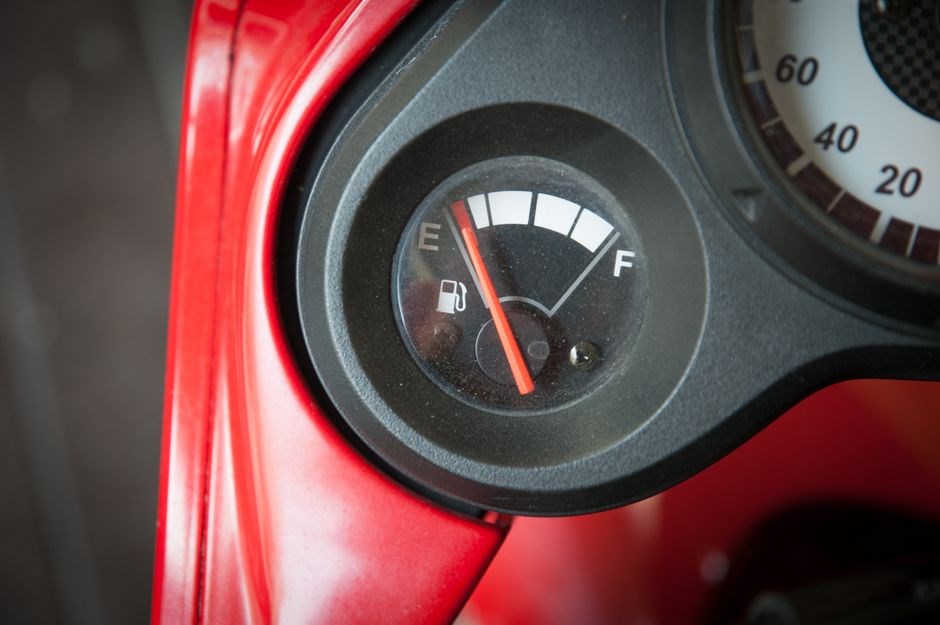
Black Max 3600 generator operates on two primary fuel types: standard unleaded gasoline and low‑sulfur diesel. The manual specifies a 4.5‑liter fuel tank, which delivers approximately 12 hours of continuous operation at half‑load (≈1.8 kW). Fuel consumption is roughly 0.5 liters per minute under full load, translating to about 30 liters per hour. When running at 25 % load, consumption drops to approximately 0.25 liters per minute, extending runtime to roughly 18 hours. The manual recommends using fresh fuel stored at room temperature and avoiding contaminated or stale fuel, as this can cause injector fouling or carburetor blockage. For diesel operation, a pre‑filter should be installed to remove particulates and prevent clogged fuel lines. The generator’s fuel gauge is located on the front panel and provides a visual indication of remaining capacity. The manual also details the proper procedure for refueling: turn off the unit, wait 10 minutes after shutdown, open the fuel cap, pour fuel slowly to avoid spills, and close the cap securely. Finally, the manual advises periodic inspection of fuel lines, seals, and filters, replacing them every 6 months or after 200 hours of operation, whichever comes first. This ensures optimal performance and longevity of the Black Max 3600.
Keep the generator in a well‑ventilated area and avoid overloading beyond 75 % of rated capacity. Inspect the fuel filter every 200 hours and replace when clogged. Use a fuel stabilizer for storage periods longer than three months to prevent degradation and keep the tank sealed tight. tight
PDF Manual Download Links and Formats
To obtain the official Black Max 3600 generator manual, visit the manufacturer’s support portal and navigate to the “Downloads” section. The primary file is a PDF named “BlackMax3600_Manual.pdf,” approximately 3.2 MB in size, and is compatible with all major PDF readers on Windows, macOS, and Linux. A compressed ZIP archive is also available, containing the PDF, a quick‑start guide, and a troubleshooting sheet, all in PDF format. If the official site is unreachable, reputable distributors such as Example Distributors host the same PDF under a “Product Manuals” directory, providing a secure HTTPS download link and a SHA‑256 checksum for file integrity. The manual is additionally offered in ePub (2.8 MB) and MOBI (3;0 MB) formats for e‑readers, preserving the original layout and including interactive hyperlinks. Accessibility features such as tagged PDF structure, alt text for images, and adjustable font size are incorporated to meet WCAG 2.1 AA standards. Users can enable these features in most PDF readers by selecting “Accessibility” or “Read Aloud.” A QR code on the PDF links directly to an online, responsive version that adapts to smartphones and tablets. For hard‑copy needs, the PDF can be printed double‑sided to save paper, and the manufacturer offers a complimentary printing service for orders over 50 copies. All download links are protected by HTTPS and are free of malware. For assistance, consult the FAQ on the support page or contact technical support via live chat.
Download links are updated annually; the latest revision is dated 2025‑12‑01. Users may bookmark the URL for quick access and receive email notifications when a new version is released. All files safe!